TL;DR
- Abu Dhabi's exchange added six single-stock futures on ADNOC and AI heavyweights and will scrap daily price limits from August 3, courting global money.
- UAE startups raised $1.2 billion across 83 deals in the first half of 2026, roughly 70 percent of all MENA venture capital, with fintech leading.
- Filipino workers in the UAE can now send cash straight to GCash wallets in minutes through a du Pay tie-up, as visa-on-arrival uptake surges.
- President Sheikh Mohamed held talks with Fujairah's ruler as the UAE joined a multi-country foreign ministers' statement on the region.
Politics and policy
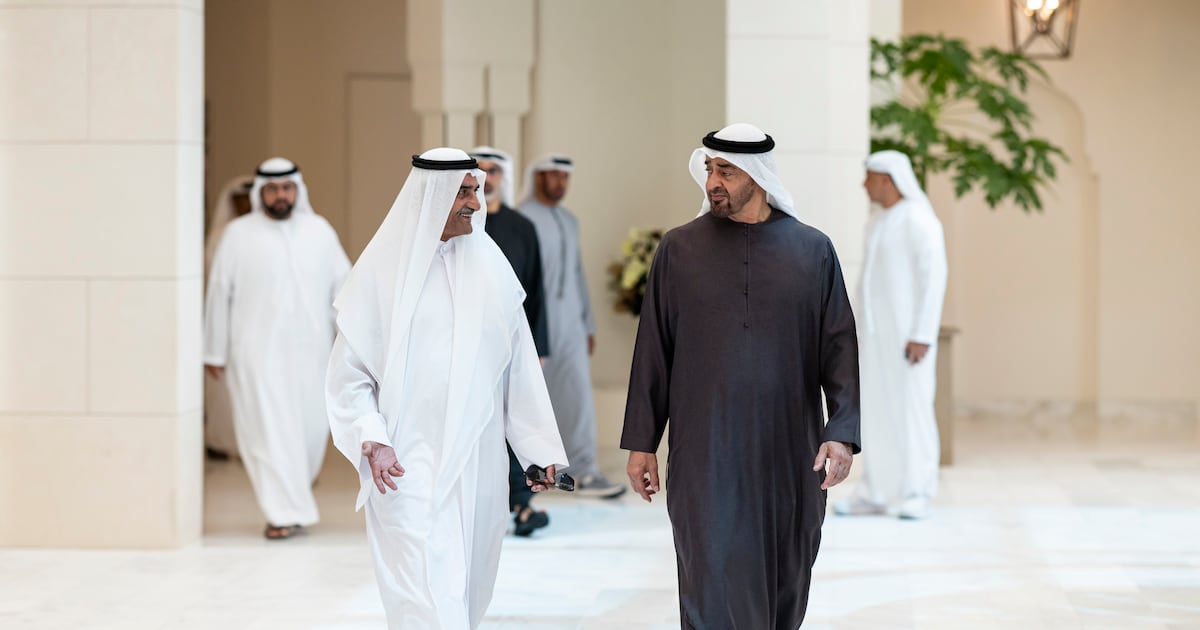
The president cleared his diary for the smallest emirate on the map. Sheikh Mohamed bin Zayed Al Nahyan, the UAE head of state, held talks in Abu Dhabi with Sheikh Hamad bin Mohammed Al Sharqi, the Ruler of Fujairah, the east-coast emirate that is fast becoming the country's alternative gateway to the sea beyond the Strait of Hormuz. The two men used the meeting to reaffirm what the palace called a commitment to citizens' welfare and national development (via The National).
Abu Dhabi put its name to a rare eight-country diplomatic front. The foreign ministers of the UAE, Jordan, Turkiye, Egypt, Indonesia, Pakistan, Saudi Arabia and Qatar issued a joint statement on July 23 coordinating their position on the regional situation, a lineup that stitches together the Gulf, North Africa and Asia's biggest Muslim-majority states in one voice (via UAE Ministry of Foreign Affairs).
The UAE also sharpened its language on regional security, with the Foreign Ministry condemning recent hostile attacks aimed at fellow Gulf and Arab states and calling for de-escalation. The ministry framed the move as solidarity with neighbours rather than a shift in policy (via UAE Ministry of Foreign Affairs). This section leans on official statements; treat the wording as the government's own account rather than independent confirmation.
Business and economy
Abu Dhabi's stock market wants to trade like New York, and it just added the tools to prove it. The Abu Dhabi Securities Exchange (ADX), the emirate's main bourse, listed six new single-stock futures on ADNOC Gas, ADNOC Drilling, ADNOC Logistics and Services, the AI firm Presight, Sharjah Islamic Bank and Two Point Zero Group, pushing its derivatives suite to 17 futures and 50 contracts. It also deepened a tie-up with Bloomberg to beam Abu Dhabi prices to hundreds of thousands of terminal users worldwide (via Gulf News).
The same exchange is about to take the training wheels off. From August 3, ADX will remove the daily price limits that cap how far exchange-traded funds and futures can move in a session, a technical change that signals confidence that its market is deep enough to handle real volatility without circuit breakers (via Gulf News). At an HSBC investor conference, both ADX and Dubai's DFM pitched their 2026 growth to global funds hunting Gulf exposure (via Arabian Business).
The country's oil champion is spending like the energy transition is a race it intends to win from the front. ADNOC's board signed off on a five-year business plan carrying $150 billion (about Dh551 billion) in capital expenditure for 2026 to 2030, meant to hold output steady while funding gas, chemicals and lower-carbon bets, with President Sheikh Mohamed chairing the board session at the Habshan complex (via Gulf News).
Technology and industry
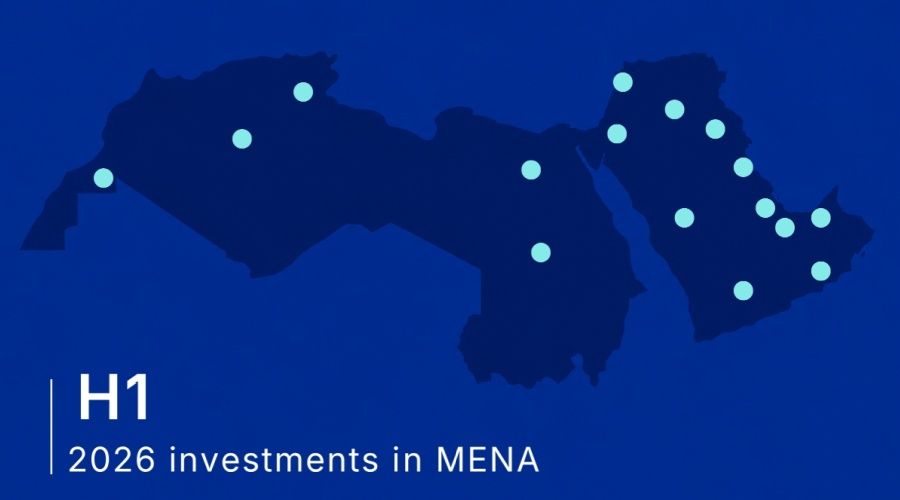
Money kept flowing into UAE startups even as the region's headlines turned jittery. Companies across the Middle East and North Africa raised $1.7 billion across 242 rounds in the first half of 2026, and the UAE alone accounted for $1.2 billion of it across 83 deals, roughly 70 percent of all the capital deployed in the region. Fintech was the single biggest slice at $409 million, about a third of the country's total (via Wamda).
Proptech is the latest UAE niche to get an AI makeover. Rentify, a UAE-based rental-tech startup, raised $2 million in seed funding to launch Earn AI, a platform that automates the grind of managing rental income and revenue for landlords and operators. It is a small round with an outsized bet: that the emirates' churning property-rental market is ready to hand pricing and collections to software (via Wamda).
Society
The country that built its reputation on highways is finally learning to ride the rails. Etihad Rail's first passenger service, linking Abu Dhabi to Fujairah, has been running since late June, and the network's rollout continues on a fixed timetable: Dubai and Al Dhaid stations are due to open on September 30, followed by Al Dhafra in December and Sharjah in March 2027 (via Khaleej Times).
July quietly rewired a lot of daily life at once. Alongside the rail launch, the summer school break began in early July with the new academic year set for August 31, Sharjah extended its paid-parking hours, and businesses hit the first hard deadline in the UAE's shift to mandatory e-invoicing, which requires firms to appoint an accredited service provider for real-time digital tax reporting (via Gulf News).
And then there is the heat, the one story that needs no press release. The UAE is deep into what forecasters call the hottest 40 days of the year, with temperatures pushing past 50C, and the public sector is again running flexible summer hours to keep staff out of the worst of the midday sun (via Gulf News).
Sports
The UAE's franchise cricket circus has a date to circle. Season five of the DP World International League T20 (ILT20), the six-team competition that is now one of the richest T20 leagues on the planet, will start on November 22 and run to a December 20 final at Dubai International Stadium, giving the emirates a marquee winter sporting draw once the summer heat breaks (via Khaleej Times).
Culture and entertainment
Dubai's answer to a brutal summer is to turn the whole city into a 60-day sale. Dubai Summer Surprises, now in its 29th edition, opened on July 2 and runs to August 30 with discounts of up to 90 percent, free mall concerts, raffles dangling gold, cars and a Dhs500,000 (about $136,000) cash prize, and dining deals including two-course lunches for Dhs80 (roughly $22). Organisers said the festival opened with sales already running at up to 90 percent off across participating stores (via Gulf News). Time Out has published the full concert and events lineup for anyone trying to plan around the malls (via Time Out Dubai).
Filipino community
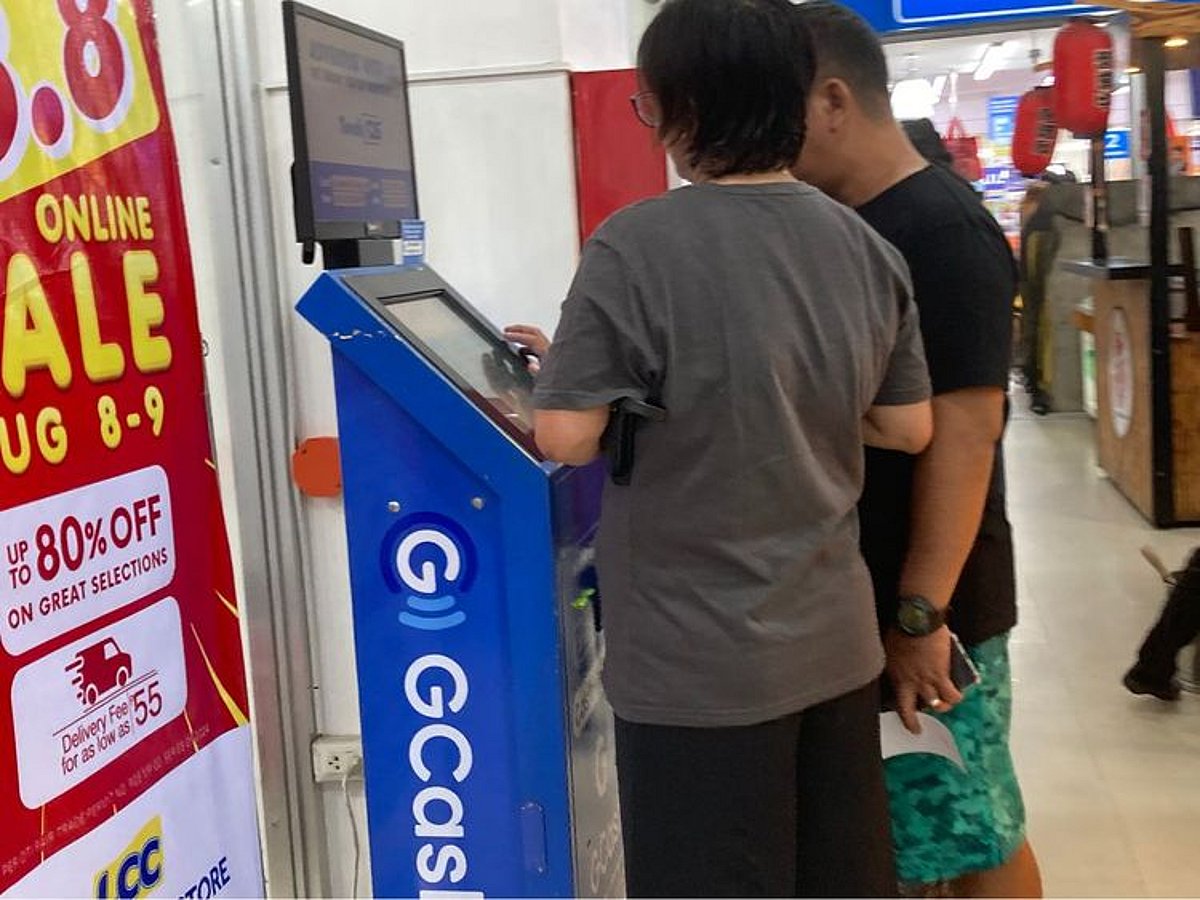
For the roughly 700,000 Filipinos in the UAE, sending money home just stopped being a queue-and-wait chore. du Pay, the digital wallet arm of UAE telecom du, has linked up with GCash, the Philippines' dominant mobile wallet, so cash sent from the du Pay app lands directly in a recipient's GCash account within minutes. The pitch is squarely aimed at workers who remit part of every paycheque for family expenses, school fees and utilities (via Gulf News).
The UAE's visa-on-arrival opening for eligible Filipinos is already drawing a crowd. Filipino passport holders who also hold residency or approved visas from a set of countries can now pick up a 14 or 60-day UAE entry permit on landing, and officials say 73,551 such visas were issued in the first half of 2026, a signal of how many overseas-based Filipinos are using the route (via Gulf News).
Payday itself has tightened up in a way that matters most to lower-paid workers. Under wage protection rules that took effect on June 1, private-sector employers must now pay salaries on the first day of each month for the previous month's work, replacing the old grace period that let companies wait until the 10th, with fines and permit restrictions for firms that fall behind (via Khaleej Times).