TL;DR
- Hongshu Audio's EH-1/EHA-1 electrostatic package is the entry-level breakthrough for the format, priced to bring exotic driver tech within reach.
- Axel Grell's new OAE2 headphone ($599) uses forward-mounted bio-cellulose drivers to rebuild the spatial imaging question from scratch.
- The market went quiet on flagship launches after CanJam; the focus shifted to filling gaps below the $1,000 threshold.
- DACs and amplifiers stayed calm; streaming performance and portable battery life remain the key fight.
IEMs and earphones
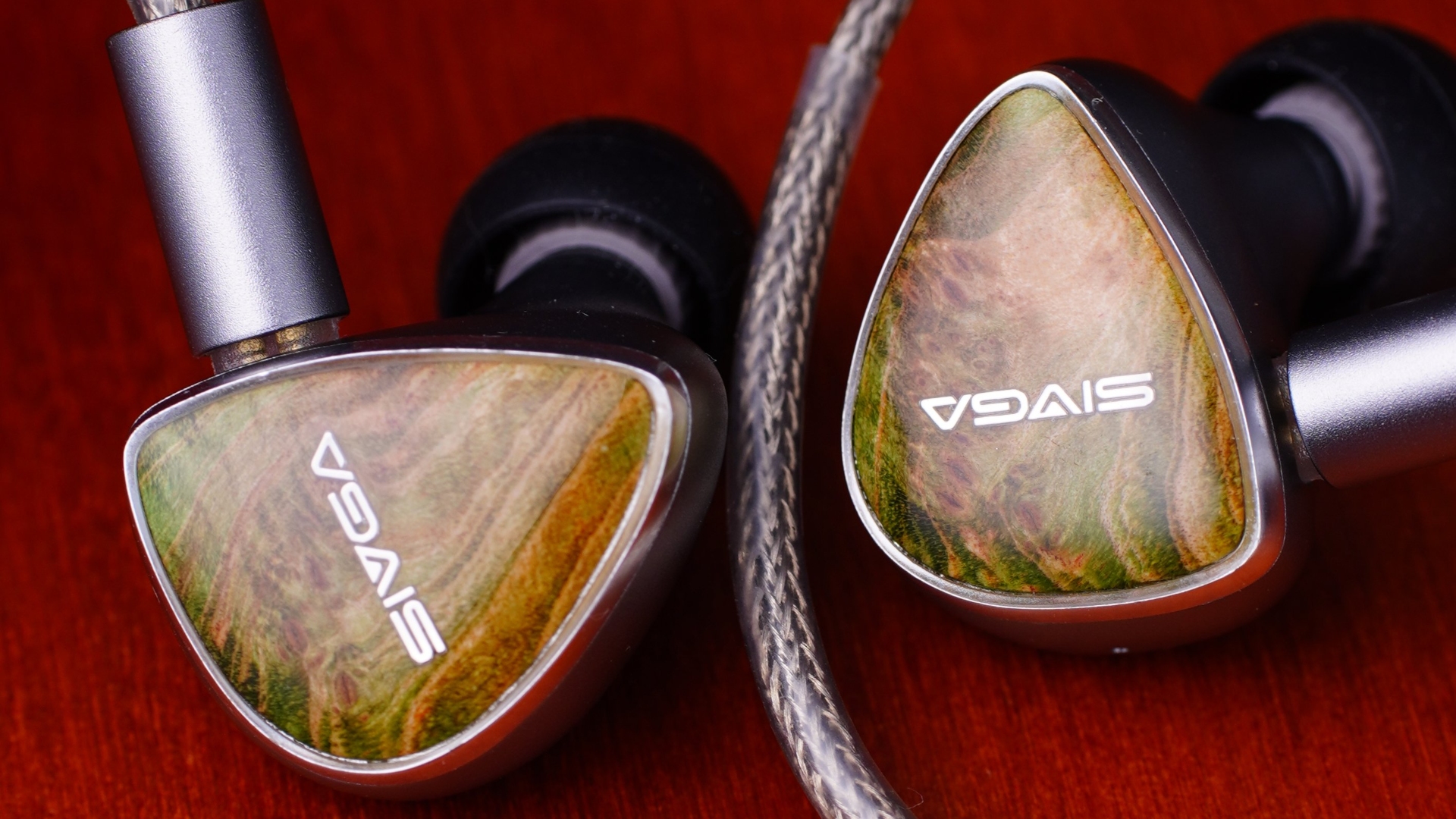
The in-ear market picked up where CanJam left off, with spotlights on models targeting gaps rather than flagships. New wired designs from Noble and pro-audio entries from Sony have pushed into early July, though reviews were still forming at press time. The bigger story sat in the wireless space: Noble's Prestige Encore true wireless hit Headfonia in mid-July with claims of genuine refinement in a crowded category, and at $329, Final's TONALITE addressed the long-standing gripe that true wireless tuning meant V-shaped consumer sound. The week's real bench mark for value: SIVGA's Lyrebird at $149 crammed four driver types (10mm dynamic, balanced armature, micro-planar, and piezoelectric ceramic) into stabilized-wood-faced shells, landing it squarely in the sub-$150 hybrid bracket where it forced a recount of what possible meant for the price (via SoundGuys).
Headphones

Axel Grell's designer returned with the OAE2, a $599 over-ear that swapped conventional ear-cup placement for forward-mounted 40mm bio-cellulose drivers, staging the experiment as a full rethink of proximity and imaging (via Head-Fi). Meanwhile Hongshu Audio's EH-1 and companion amplifier EHA-1 marked the first genuine entry-level electrostatic package: price and driver type (the ultra-light charged film that demands custom amp power) finally aligned to make the format teachable rather than luxury-only. The week's press stayed measured on flagship over-ears; the real momentum sat in sub-$1,000 rethinking and the ecosystem cost of entry dropping.
DACs and amplifiers
Desktop and portable DAC/amp news quieted after mid-July's Topping DX1 II and Questyle M18i Max pushed sub-$400 value limits. What emerged instead: the Benchmark DAC3 B (reviewed by Rob Schryer in Stereophile) staked its flag on a provocative claim—that 16/44.1 streaming could sound better than CD if the source was clean—making the case that transport and encoding mattered more than sample rate. The portable market's storyline tightened: battery life and low-noise dongle implementation now separate winners from the field. No flagships announced; the gains were incremental and hard-won.
Industry and launches
CanJam London (July 18–19) closed with attendees rehashing one ribbon headphone: the roughly $3,700 Flowztone F-R1 drew praise for speed, openness, and surprisingly full body for a format known for thinness, and became the show's unofficial reference for what ribbon could do (via Head-Fi). Beyond that, the show's secondary standout was Hongshu's electrostatic entry package, which priced entry into the format at roughly $1,200–1,500 for the speaker pair and amp, breaking the $5,000 floor that had locked the technology away. Sonus faber revived its Olympica line for a five-model range ($8,000–$30,000) wrapping flagship Suprema technology in the brand's signature lute-shaped cabinets and leather-wood finishes (via What Hi-Fi?). The week's industry current: maker momentum swung from headphone volume (where competition compressed margins) toward speakers and pro audio, where margins and design freedom stayed wider.