Bitcoin and gold rally as U.S. debt reaches $39.7 trillion high
Plus: Ethereum surges 4%, Zcash Ironwood upgrade July 28, and Thailand opens probe into Bitkub's $47 million hack.
TL;DR
- U.S. debt hit $39.7 trillion as investors flee to Bitcoin and gold amid fiscal concerns.
- Bitcoin ETFs posted third consecutive weekly inflows; Ethereum jumped 4% on institutional buying and technical recovery.
- Zcash's Ironwood upgrade fixes supply bug July 28; Robinhood tokenized stocks surged fivefold in two weeks.
- Circle acquired IBM's 1,000-patent blockchain portfolio, becoming America's largest blockchain patent holder.
Markets and majors
Bitcoin and Ethereum climb as institutional demand returns
ETF inflows and technical recovery signal a pause in summer's broader institutional exodus.
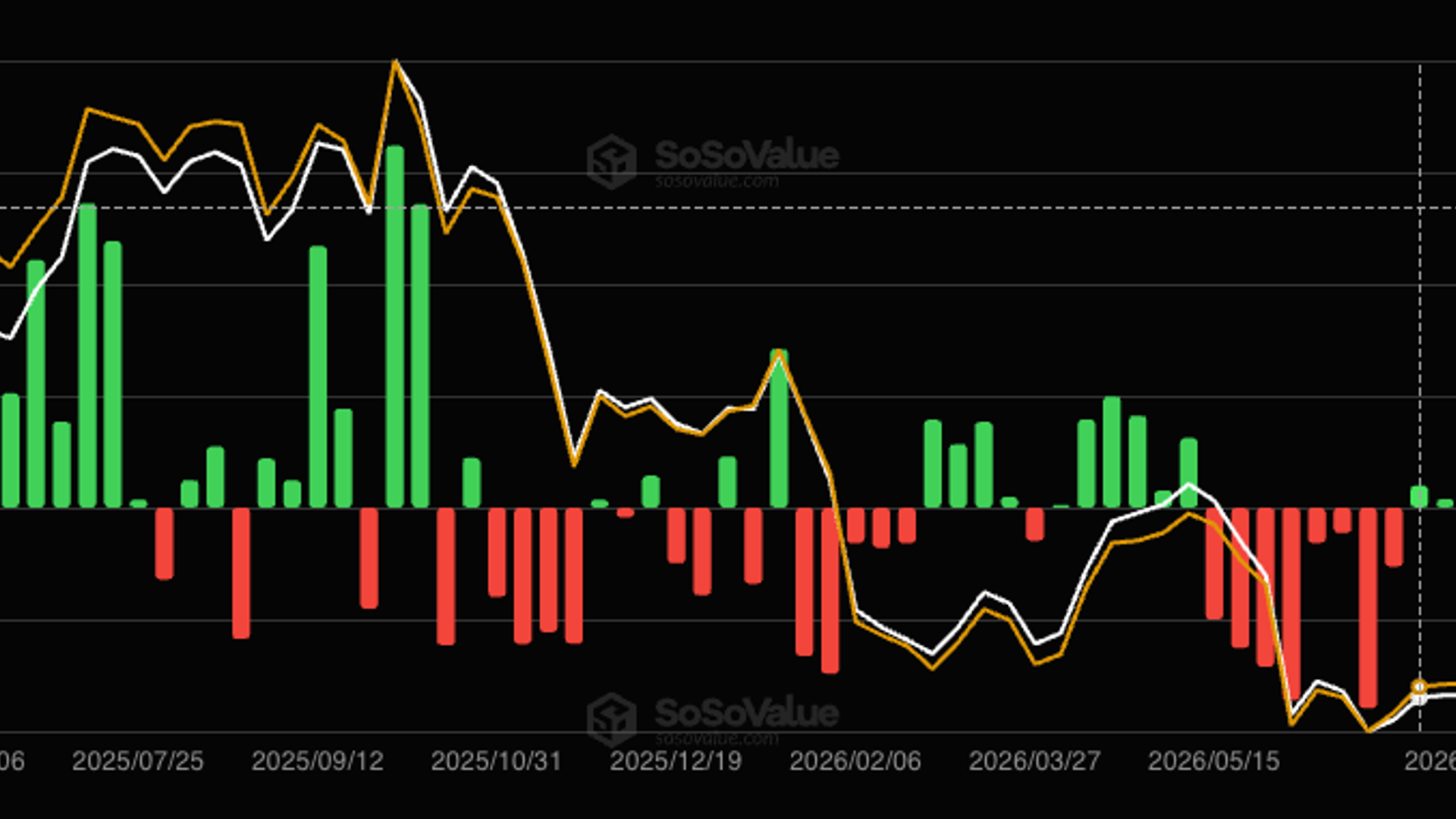
Bitcoin ETFs posted their third consecutive week of positive inflows, with $33.79 million flowing in for the week ended July 24, marking the first sustained recovery after eight weeks of outflows exceeding $8 billion. BlackRock's IBIT, the largest Bitcoin ETF, still shed $415 million in late-week selling, but market observers see the broader trend as institutional demand slowly returning. (via CoinDesk)
Ethereum surges 4% after dodging breakdown risk. The second-largest cryptocurrency rallied to $1,960 on July 27, up 4% in 24 hours, after successfully holding a critical multi-year ascending trendline. Institutional inflows into spot Ethereum ETFs totaled $104 million during July 20–24, led by BlackRock's ETHA, signaling renewed conviction ahead of the Fed's July 28–29 policy meeting. Analysts flagged the rising ETH/BTC ratio as signaling potential outperformance. (via CryptoTimes)
Bitmine targets 5% of Ethereum supply with 10,000 ETH purchase. The crypto treasury firm bought approximately 10,000 ETH last week, pushing holdings to 5.79 million tokens, or 4.8% of circulating supply. Chairman Tom Lee called the rising ETH/BTC ratio "a sign crypto prices are strengthening," even as odds of the CLARITY Act passing dropped to 34 percent, and the company accelerated its $4 billion share buyback program. (via CoinDesk)
Protocols and upgrades
Zcash prepares supply fix as Robinhood's tokenized stocks surge
A critical firmware flip and a breakout in 24/7 equity trading mark protocol maturation in different corners of crypto.

Zcash's Ironwood upgrade (NU6.3) activates July 28 at block 3,428,143 to patch a critical vulnerability in the Orchard shielded pool that could theoretically allow unlimited ZEC counterfeiting. The bug, discovered in May 2026, forced a 50 percent price collapse from $602 to $299, but no evidence emerged of exploitation. An emergency patch in June closed the immediate threat; Ironwood introduces a public accounting "turnstile" checkpoint to prevent any hidden fake coins from exiting Orchard. (via CryptoTimes)
Robinhood tokenized stocks surge fivefold in two weeks. Robinhood Chain's real-world asset holdings jumped to $70 million as a dozen stock tokens each cleared over $500,000 in daily volume, led by GameStop at $26.6 million and Nvidia at $14 million. Total value locked on the chain nearly tripled since mid-July to $312 million; daily DEX volume topped $600 million. The layer 2, launched July 1, initially attracted memecoins but has now shifted toward the intended 24/7 equities use case. (via CoinDesk)
Regulation and policy
U.S. debt, patent deals, and enforcement mark new regulatory terrain
Macro fiscal concerns drive store-of-value buying, while Circle solidifies IP dominance and Bangkok opens a criminal probe.

U.S. federal debt hit an all-time $39.7 trillion on Friday as daily borrowing surged to $7 billion, prompting institutional investors to flee into Bitcoin and gold as hedges against potential currency debasement. Apollo's chief economist warned that the nation entered unprecedented fiscal territory, with a debt-to-GDP ratio exceeding 120 percent and minimal fiscal buffer should a recession hit. The narrative undercuts traditional macro assumptions about rates and liquidity, with analysts noting aggressive rate cuts—normally a recession tool—would be counterproductive given inflation concerns. (via CoinDesk)
Circle becomes America's largest blockchain patent holder. The USDC stablecoin issuer acquired over 680 patent families and nearly 1,000 issued patents from IBM in an unannounced deal, leaping ahead of IBM's prior lead of 790 U.S. patents. Circle plans to deploy the portfolio across USDC, its Circle Payments Network, Arc blockchain, and AI-powered financial tools. The move is notable because IBM simultaneously backs Open USD, a competing stablecoin launched June 30, creating an unusual IP-building dynamic in the stablecoin space. (via Decrypt)
Thailand files criminal charges against Bitkub over $47 million undisclosed hack. The Securities and Exchange Commission in Bangkok filed a criminal complaint against crypto exchange Bitkub and two former directors, alleging they concealed a May 2021 breach that drained 1.7 billion baht in digital assets across 16 types. Bitkub's regulatory filings showed no significant asset changes from May through October 2021; the exchange later claimed co-founders personally bought replacement assets to cover losses and avoid panic withdrawals. The case has been escalated to Thailand's Economic Crime Suppression Division. (via Decrypt)
Institutions and ETFs
Treasury firms diversify, crypto giants eye new frontiers
Bitcoin and Ethereum treasury companies pivoted between cash, equities, and yield strategies as institutional appetite remained cautious.

Strategy, Michael Saylor's Bitcoin-focused company, raised $525 million through an at-the-market stock offering to bulk up its $3.75 billion USD Reserve, covering 2.1 years of preferred dividends and debt obligations. The move marked the fifth consecutive week without a Bitcoin purchase, signaling a capital management pivot toward equity sales over BTC liquidation; the company also launched its first preferred stock buyback, purchasing $25 million worth of shares at $88.61 each. Bitcoin holdings remained stalled at 843,775 BTC. (via Decrypt)
Metaplanet's Bitbonds plan faces scrutiny from Benchmark. The Japanese Bitcoin holder's $13 million acquisition of Siiibo Securities—to launch Bitcoin-backed bonds yielding 4–6 percent—drew criticism from Benchmark analyst James Seyffart, who called the brokerage deal "badly undersells" the vision for an on-chain Bitcoin yield market. Metaplanet holds 43,000 BTC and has set a 210,000 BTC target by end of 2027; a joint study with JPYC and Progmat is examining formal Bitcoin collateral structures and stablecoin settlement mechanisms. (via The Block)
Security and exploits
Payment gateway loses $11.8 million in 31-hour breach
Treasury wallets drained across seven blockchains as new deposits kept flowing to compromised addresses.
Triple-A, a Singapore-licensed crypto payments processor, disclosed a breach of its own treasury wallets that bled $11.8 million in assets across Ethereum, TRON, Polygon, Arbitrum, Solana, The Open Network, and Bitcoin. Onchain investigator Specter documented that new deposits continued arriving and being swept immediately for 31 hours after initial detection on July 25, pulling approximately 5,226 ETH into a single Ethereum address. Customer funds held in trust accounts under Singapore's Payment Services Regulations remained secure; the company has not disclosed how the wallets were compromised. (via The Block)