Senate readies pivotal crypto regulation before August recess
Plus: Hardware wallet theft escalates to nearly 4,600 addresses; institutional buyers hint at increased holdings; infrastructure platforms shift toward backend services.
TL;DR
- Senate's Digital Asset Market Clarity Act faces final vote this week before summer recess; ethics compromise pending.
- Coldcard hardware wallet losses reach $88.6 million across 4,585 addresses in ongoing exploit.
- Strategy hints at renewed bitcoin purchases; Trump Media moves $165 million to custodian.
- Payment infrastructure platforms abandon consumer apps; shift toward invisible backend services.
Markets and majors
Institutional appetite persists despite custody risks
Strategy founder Michael Saylor hinted at renewed bitcoin purchases after a five-week acquisition drought, captioning a social media post "Bitcoin Drive engaged," suggesting a Monday announcement. Strategy holds 843,775 BTC acquired for $63.69 billion; with bitcoin near $63,200, the position trades $10.4 billion underwater. The company last bought on June 22 and recently sold 3,588 BTC to fund preferred-stock distributions. (via The Block)
Trump Media moves $165 million bitcoin to custodian. Trump Media transferred 2,628 BTC to Crypto.com, reducing its tracked balance to 4,261 BTC, but characterized the move as part of a "broader trading strategy" rather than liquidation. The company's remaining balance nearly matches collateral pledged for convertible notes maturing in 2028, when distribution restrictions lift. (via The Block)
Crypto-Wall Street bridge: exchanges processing $1.32 trillion in traditional-asset perpetuals year-to-date. Crypto platforms now offer 24/7 exposure to stocks, commodities, and indexes via perpetual futures—price contracts without underlying ownership or expiration dates. Monthly volume surged from $230 million in January 2025 to $347 billion by May 2026. Institutional traders value friction reduction for hedging; retail investors gain access to unavailable domestic assets. (via CoinDesk)
Protocols and upgrades
Infrastructure builders abandon consumer bets

Fun, the backend payments platform powering Polymarket and Aave and processing over $3 billion monthly, is betting that crypto onboarding friction is ending. CEO Alex Fine said standalone infrastructure like on-ramps and external bridges will become obsolete as next-generation apps embed payment rails directly into their experience, making blockchain complexity invisible to users. (via CoinDesk)
Spark shelves consumer app for B2B2C infrastructure. Spark (Phoenix Labs) ditched plans to build its own consumer-facing platform, concluding that competing directly with Coinbase and Robinhood is "extremely hard." The platform now focuses on being the infrastructure layer moving money between fragmented stablecoin networks, partnering with existing platforms rather than competing for users directly. (via CoinDesk)
Regulation and policy
Senate pushes crypto bill toward final vote this week
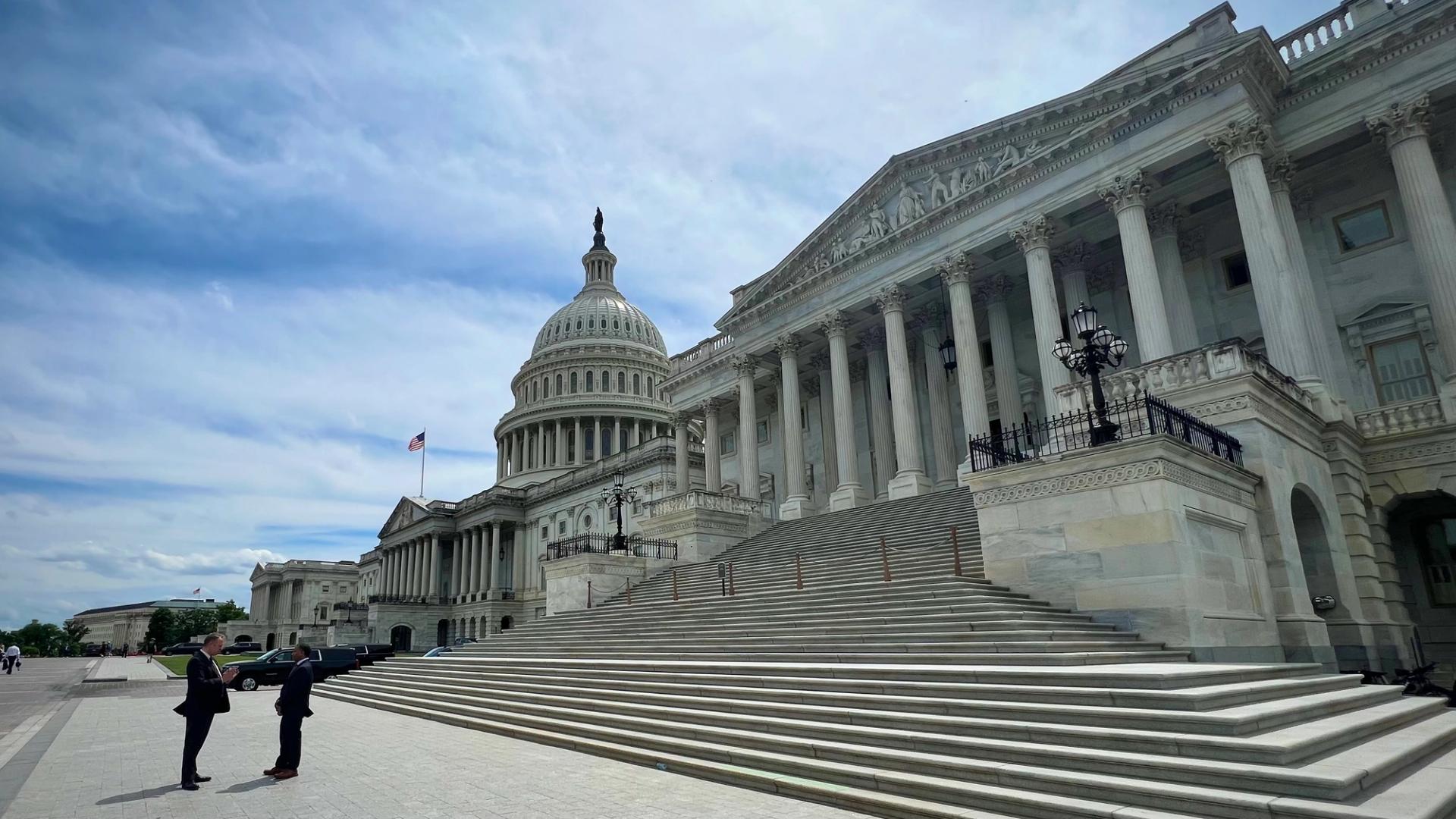
The US Senate is counting down to pass the Digital Asset Market Clarity Act before its August recess, with a procedural vote on the table this week. As of July 31, senators had not filed a motion to proceed—the first procedural step needed. Observers believe this week's vote could position the bill for passage when the Senate returns in September. (via CoinDesk)
Ethics compromise remains the bill's biggest obstacle. Senators Ruben Gallego and Thom Tillis submitted a revised ethics proposal to the White House Thursday, but disagreements persist. Secondary issues—stablecoin reserves, law enforcement authorities, and CFTC provisions—are described as "relatively uncomplicated." Industry observers stress urgency: "This market is too big to leave unregulated." (via CoinDesk)
Security and exploits
Coldcard exploit escalates; BNB Chain sues ex-employee

Coldcard hardware wallet losses have surged to $88.6 million, with Galaxy Research tallying theft from 4,585 addresses, nearly four times the ~1,200 wallets initially reported. Roughly 1,367 BTC were stolen across three waves; the latest drained 207.73 BTC. A March 2021 firmware flaw generated seed phrases with insufficient randomness, making private keys guessable. Long-term holders averaging 3.18 years dormant believed cold storage secure. (via Decrypt)
BNB Chain sues ex-employee over memecoin scheme. The blockchain platform is pursuing legal action against a former employee who misused a tutorial wallet to launch memecoin Asteroid Shiba, generating roughly $628,000 in profit. The employee bought approximately 80% of supply for $10,000, sold for roughly $638,000. The individual is no longer employed by BNB Chain. (via The Block)