After three days of ceasefire, US and Iran return to conflict
Plus: Iran claims attacks on tankers in Hormuz, Saudi Arabia launches 43-nation maritime alliance, and Trump signals wavering on deal.
TL;DR
- US resumed strikes July 29 on Iranian IRGC targets; Iran retaliated with intercepted missiles and claimed strikes on tankers July 31.
- Drone struck Egypt's Damietta port July 30; President el-Sissi warned of escalation and unconfirmed attribution.
- Saudi Arabia announced 43-nation Maritime Defense Alliance on July 30 with 14 founding members to protect Red Sea and Hormuz shipping.
- Trump said July 30 he is losing faith in Iran deal but has not ruled out agreement; administration says still pursuing diplomatic path.
Military operations
US strikes resume as Iran retaliates with missiles
After five days holding fire, both sides return to bombing in escalating cycle.
The United States Central Command said on July 29 it successfully completed a heavy wave of strikes at 10 p.m. ET against dozens of Islamic Revolutionary Guard Corps (IRGC) targets across southern Iran, including military command centers, missile and drone facilities, coastal surveillance sites, and maritime capabilities concentrated along the Gulf and Strait of Hormuz. Iranian officials reported a couple and their two-year-old child were killed in a residential building on Qeshm Island (via globalsecurity.org).
Iran answers with missiles and strike in Kuwait. Iran responded with a salvo of five missiles intercepted over Jordan, and the Islamic Revolutionary Guard Corps struck a Chinese company's building in northern Kuwait, killing a worker according to Kuwait's defense ministry, which called it "heinous Iranian aggression" (via Bloomberg).
Diplomacy and ceasefire talks
Trump says he is losing faith but leaves door open
As war resumes, the administration signals wavering confidence in negotiations while claiming to remain on a diplomatic path.
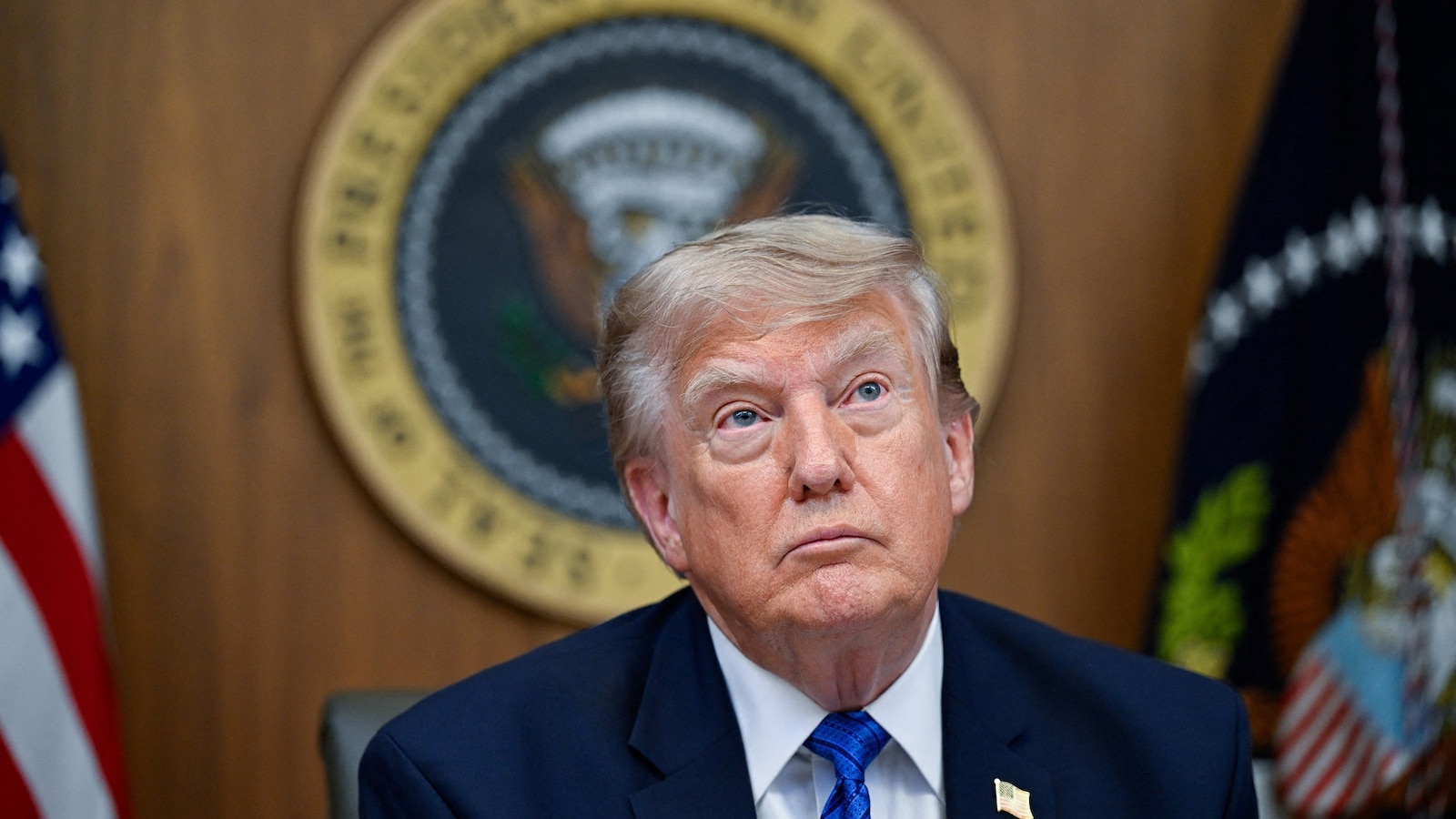
President Trump said on July 30 he is "losing faith" with Iran, but does not entirely rule out the possibility of reaching a peace deal (via ABC News). On July 31, Trump claimed Iran is "begging" for a deal, even as some US officials worry regime figures remain committed to leveraging control over the Strait of Hormuz and firing missiles at American troops (via CNN Politics).
Administration signals continued diplomatic pursuit. White House Press Secretary Karoline Leavitt told NBC News the Trump administration is pursuing "a diplomatic path" with Iran (via NBC News).
Energy and shipping
Saudi Arabia convenes 43 nations on maritime defense alliance
As tanker traffic faces new Iranian attacks, the kingdom leads formation of multinational coalition to protect vital sea lanes.

Saudi Arabia announced on July 30 the creation of the Multinational Maritime Defense Alliance after hosting military and government representatives from 43 of 51 invited countries. Fourteen nations issued a joint declaration as founding members: Saudi Arabia, Turkey, Kuwait, Bahrain, Qatar, Egypt, Jordan, Pakistan, Djibouti, Somalia, Yemen, Bangladesh, Sudan, and the Comoros. Saudi Arabia will serve as the alliance's founding and leading state while hosting its headquarters. The coalition aims to protect freedom of navigation through the Bab al-Mandeb Strait, the Red Sea, and the Gulf of Aden, conducting intelligence sharing, joint exercises, and maritime operations (via Al Jazeera).
Iran claims strikes on Hormuz tanker traffic. Iran's Islamic Revolutionary Guard Corps said on July 31 it struck two oil tankers attempting to transit the Strait of Hormuz under U.S. military escort, forcing four additional tankers to change course. The IRGC did not provide evidence of the claimed damage (via The National).
Oil prices climb as fighting resumes. Brent crude closed at $89.03 a barrel on July 30 and settled at $90.12 on July 31, putting the benchmark on track for a monthly gain exceeding 20 percent as the intensity of US-Iran exchanges renewed fears of supply disruptions (via CNBC).
Regional spillover
Drone strike on Egypt marks conflict's expansion
Fire breaks out on vessels at Damietta port; Cairo warns of escalation and no party has claimed responsibility.
A drone struck a U.S.-owned gas tanker at Egypt's Damietta port on July 30, igniting fires on two vessels. President Abdel Fattah el-Sissi warned of "serious escalation" and called for international cooperation to halt the conflict's geographic expansion (via The Times of Israel). No party has claimed responsibility for the strike. The Iran-aligned Houthi movement denied involvement, saying "rumors claiming Yemen targeted a ship in Damietta Port in the Arab Republic of Egypt are unfounded" (via The Times of Israel).
Netanyahu returns from Washington talks. Israeli Prime Minister Benjamin Netanyahu returned to Israel on July 30 following meetings with President Trump, during which Iran and regional security dominated the agenda (via The Times of Israel).