TL;DR
- Crown Prince calls UK PM to discuss Red Sea security and bilateral cooperation.
- Houthis strike Saudi Aramco facilities in Jizan and Yanbu; Bab el-Mandeb shipping hits 11 vessels—record low.
- Riyadh Air expands to 8 Boeing 787s by end of July, targeting 22 destinations by March 2027.
- Humain and Canada's Cohere commit 50MW of dedicated AI compute for sovereign model development in the Kingdom.
Politics and policy
Crown Prince reaches out to UK's Burnham amid Red Sea turmoil
Saudi Arabia signals alignment with Britain on maritime security and regional stability as Houthi attacks widen.
Crown Prince Mohammed bin Salman called British Prime Minister Andy Burnham on July 27 to congratulate him on his appointment and reaffirm strong bilateral ties. The two leaders discussed ways to strengthen cooperation across existing areas and reviewed regional and international issues of shared concern. Prime Minister Burnham reaffirmed Britain's "steadfast support" for Saudi Arabia's security and sovereignty, specifically condemning the "attacks carried out by the Houthi militia and its continued threats to freedom of navigation in the Red Sea" (via Asharq Al-Awsat). The call reflects how the escalating Houthi campaign is tightening Saudi Arabia's diplomatic coordination with Western allies.
Business and economy
Houthis strike Saudi Aramco heartland as shipping stalls
Missile and drone attacks on Jizan and Yanbu refineries trigger record shipping slowdown through Bab el-Mandeb.
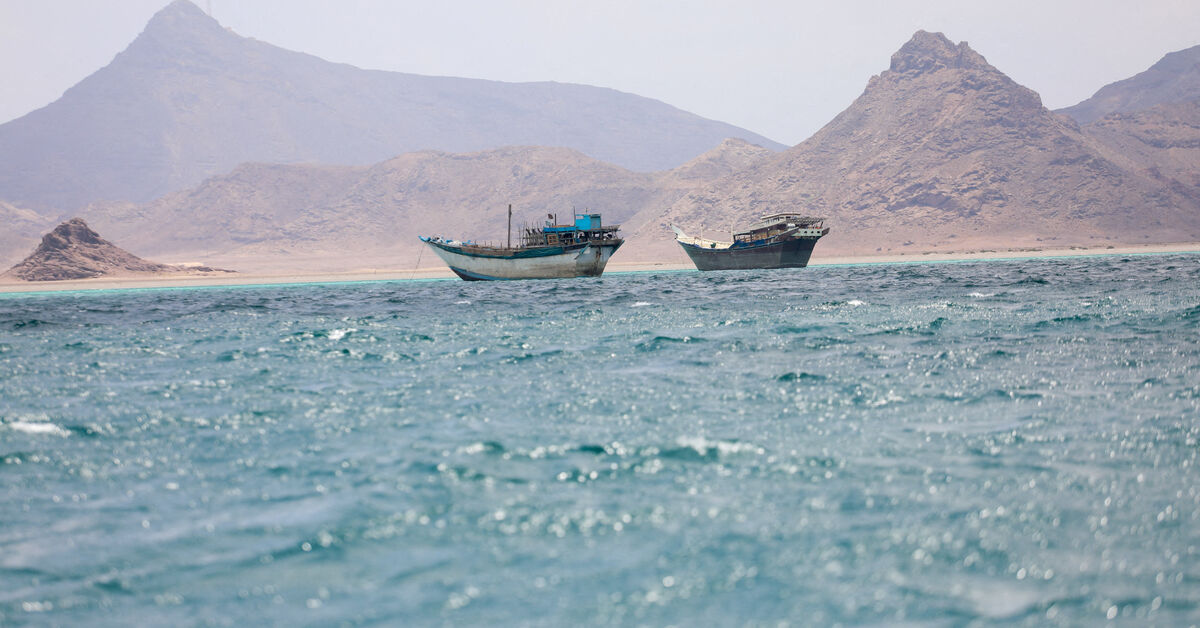
Houthi military forces struck two of Saudi Arabia's most critical oil facilities on July 26, using dozens of ballistic missiles, cruise missiles, and drones to target Aramco installations in the southern port city of Jizan and the Red Sea terminal at Yanbu. Thick plumes of smoke rose from the Jizan refinery following the strikes, detected by satellite monitoring, while Yanbu—which handles the bulk of Saudi crude exports—came under coordinated assault. The group said the operations were retaliation for coalition airstrikes on the Houthi-held port city of Hodeidah (via Al-Monitor).
Shipping freeze stalls trade. The impact was immediate: only eleven commodity vessels transited the Bab el-Mandeb strait on July 27, the lowest level in months, as risk-averse shippers pulled back from the warzone. The attack pushed crude prices to two-month highs and sent ripples through global supply chains already thinned by Houthi threats and the broader U.S.–Iran standoff. For Riyadh, the strikes underscored the militia's ability to strike at the Kingdom's export chokepoints even as defenses hold the line.
Technology and industry
Riyadh Air flying high; Saudi AI infrastructure partners with Cohere
Vision 2030's aviation and AI arms push forward with aircraft deliveries and sovereign model partnerships.
Riyadh Air, the Public Investment Fund's flagship carrier, has received eight Boeing 787-9 Dreamliner aircraft and is operating from seven destinations by late July, with routes now spanning London, Dubai, Cairo, Jeddah, Madrid, Manchester, and bookings open for Kuala Lumpur, Dhaka, and Malaga (via PIF). The carrier is on track to serve 22 destinations by March 2027, part of a broader push to make Riyadh a global aviation hub.
AI infrastructure gets a shot in the arm. Saudi AI company Humain and Canada's Cohere announced a strategic partnership to deploy dedicated artificial intelligence computing capacity in the Kingdom, with Humain committing at least 50 megawatts of dedicated AI infrastructure for Cohere's next-generation foundation models. The deployment is expected to go live by the fourth quarter of 2027 and will support the development of Arabic-language AI models, positioning Saudi Arabia as a regional sovereign-AI hub (via Zawya).
Society
Quiet on the home front
No major workforce, health, or social policy developments announced July 27.
The day brought no significant announcements on employment, health, cost of living, or other social issues. Labour reforms continue to reshape the Kingdom's workforce, and female business ownership remains robust following recent announcements, but no new policy or initiative broke on July 27.