TL;DR
- Samsung's silicon-carbon batteries in the Z Fold 8 degrade at 1,200 cycles instead of the previous 2,000, cutting usable lifespan by years.
- Apple's first foldable, the iPhone Ultra, debuts September 2026 with a 7.8-inch inner display, 48MP cameras, and Touch ID starting at $2,000.
- Google Tensor chips are finally showing their age, with thermal management and battery drain pushing Pixel users to look elsewhere.
- Motorola Razr 70 Ultra and Oppo Reno 16 both land in India this month, giving foldable and mid-range buyers fresh options.
Phones and mobile
Foldable boom hits a battery snag
Samsung's new fold admits a downgrade in durability, while Motorola and Apple rush fresh foldables to the market.
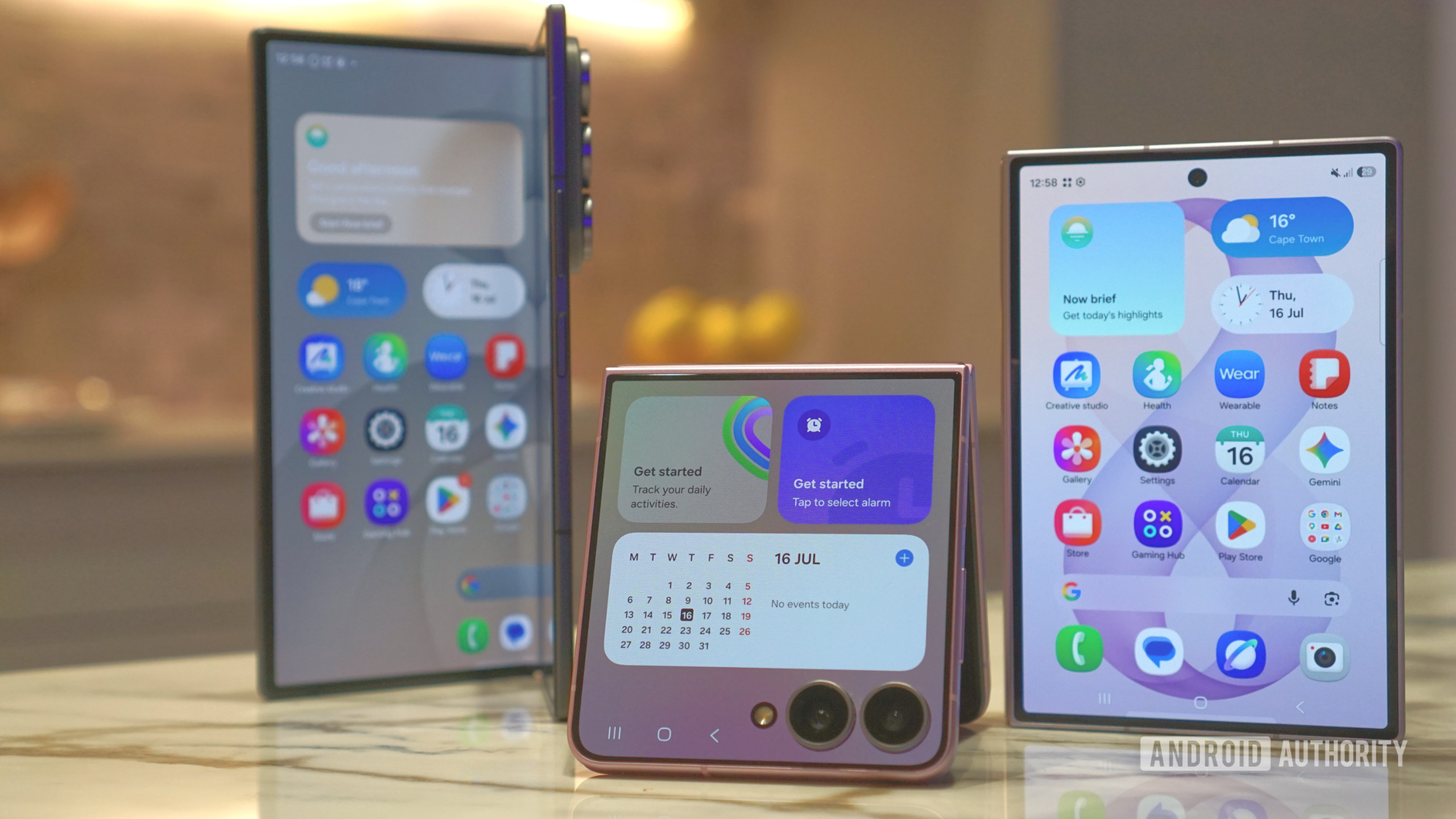
Samsung's silicon-carbon batteries in the Galaxy Z Fold 8 carry a hidden flaw: they degrade to 80% health at just 1,200 charging cycles, compared to 2,000 on the previous Z Fold 7. For daily users, that means three years of battery life instead of five, a 40 percent cut masked by the higher capacity that came with the new cell chemistry (via Android Authority).
Apple's iPhone Ultra foldable arrives September. The iPhone Ultra, Apple's first book-style foldable, opens to a 7.8-inch inner screen, with dual 48MP cameras and Touch ID—not Face ID—replacing the biometric stack. Pricing starts at $2,000 or higher, arriving September 18 alongside the iPhone 18 Pro (via MacRumors).
Motorola Razr 70 Ultra brings the biggest cover screen yet. The 3.6-inch front display on Motorola's new foldable is the largest ever on a flip phone, paired with a 6.9-inch inner AMOLED and a MediaTek Dimensity 7450X processor. India pricing starts around Rs 1,09,999 (about $1,320) with a launch this month (via 91mobiles).
Computing and laptops
Xiaomi's rear-screen phone goes global
The flagship Xiaomi 18 Pro, with its 4-inch rear Magic Back Screen, is now headed to Europe and Asia after years locked to China.

Xiaomi is breaking China lockdown on its rear OLED screen. The Xiaomi 18 Pro, powered by Snapdragon 8 Elite Gen 6 Pro, sports a 2.7-inch rear display that could expand to 4 inches with improved brightness and resolution. The global rollout spans Turkey, the EEA, Russia, Taiwan, and Japan—skipping India—with a likely November 2026 unveiling (via Android Authority).
Apple
iPhone 18 Pro ships in September without the standard model
Only the Pro variant and Apple's new foldable debut this fall; regular iPhone 18 buyers wait until spring 2027.
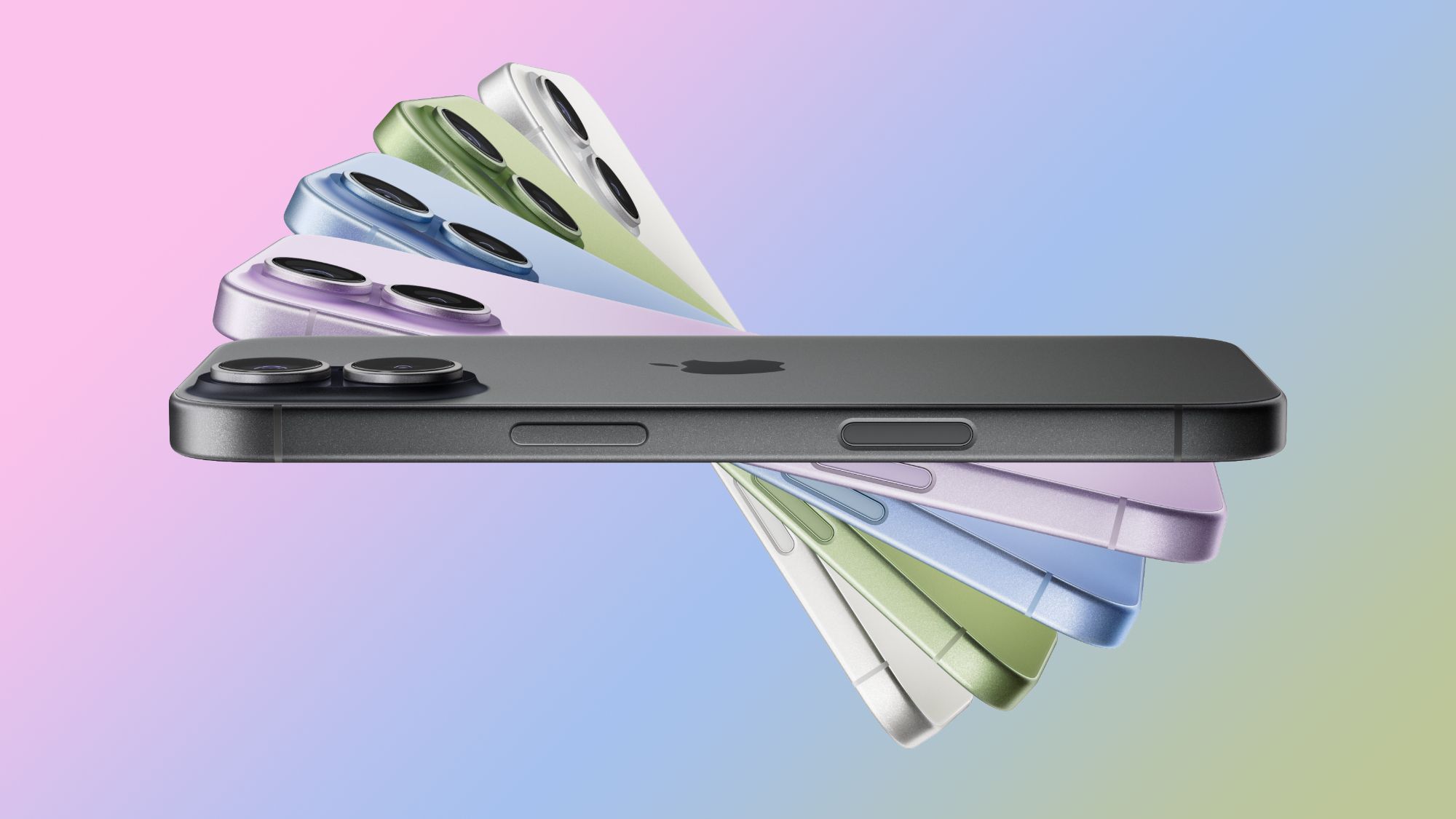
Apple's September 9 event will introduce the iPhone 18 Pro, Pro Max, and the new iPhone Ultra foldable, but the standard iPhone 18 is locked for a spring 2027 debut. The Pro starts around $1,299—roughly $100 more than the iPhone 17 Pro—while the Ultra foldable opens at $2,000 (via MacRumors).
iOS 27 gets Siri and a new call handler. The next iOS major update brings expanded Siri capabilities and a fresh Phone app feature called Call Context, designed to give users smarter call handling and context-aware options (via 9to5Mac).
watchOS 27 adds proactive battery extension notifications. Apple Watch users will get new push notifications that suggest actions to extend battery life, helping users eke out an extra day between charges (via 9to5Mac).
Android and Google
Tensor chip finally showing its age
An Android Authority poll confirms what Pixel users have been saying for years: Google's custom silicon can't keep up with battery life or heat.
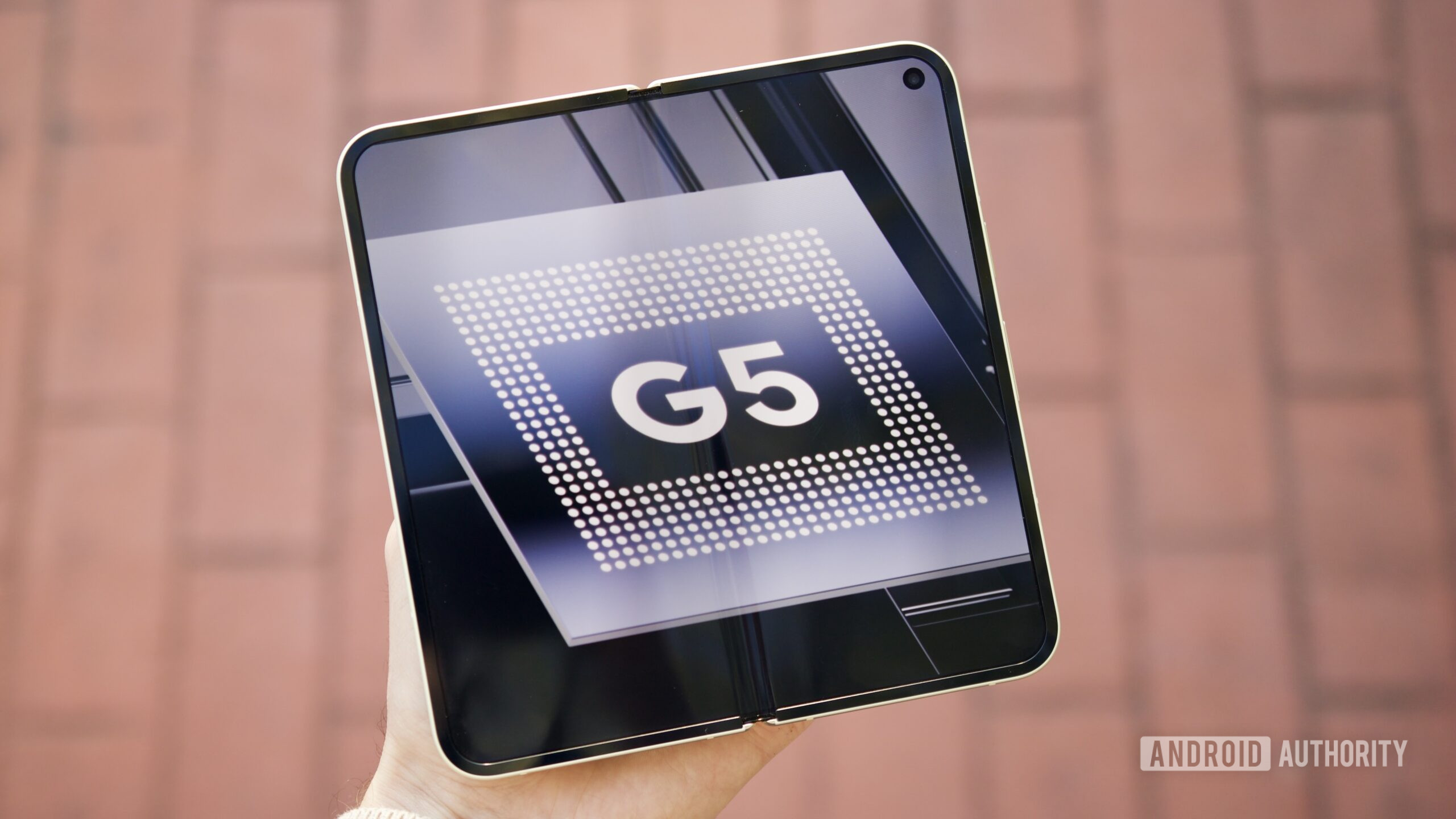
Google's custom Tensor chips have hit a wall after five years. Android Authority's analysis found that thermal management and battery drain remain unresolved, with even the newest Tensor G5 in a 3nm node struggling to compensate for the underlying design flaws. Most Pixel fans now say the time has come for Google to step back from custom silicon (via Android Authority).
Oppo Reno 16 lands in India with mid-range power. The Oppo Reno 16 launches in India this month with a Snapdragon 7 Gen 4 processor, 120Hz display at 1,800 nits peak brightness, and a 6,700mAh battery with 80W charging. Starting price around ₹61,999 (about $750) (via GSMArena).
AI and software
OpenAI opens GPT-5.6 to everyone
The Luna, Terra, and Sol models that shipped in beta to 20 partners in June now reach all users.

OpenAI's GPT-5.6 family—three models sized from Luna (compact) to Terra and Sol (flagship)—rolled out to universal access on July 9, after a June 26 preview to roughly 20 government-approved partner organizations. The expanded release gives all free and paid users access to the latest capability tier (via TechCrunch).
Audio and wearables
Snapdragon Wear Elite delivers battery math that doesn't add up
The Galaxy Watch Ultra 2's 35 percent larger battery doesn't translate to longer life because the new processor ate the gains.
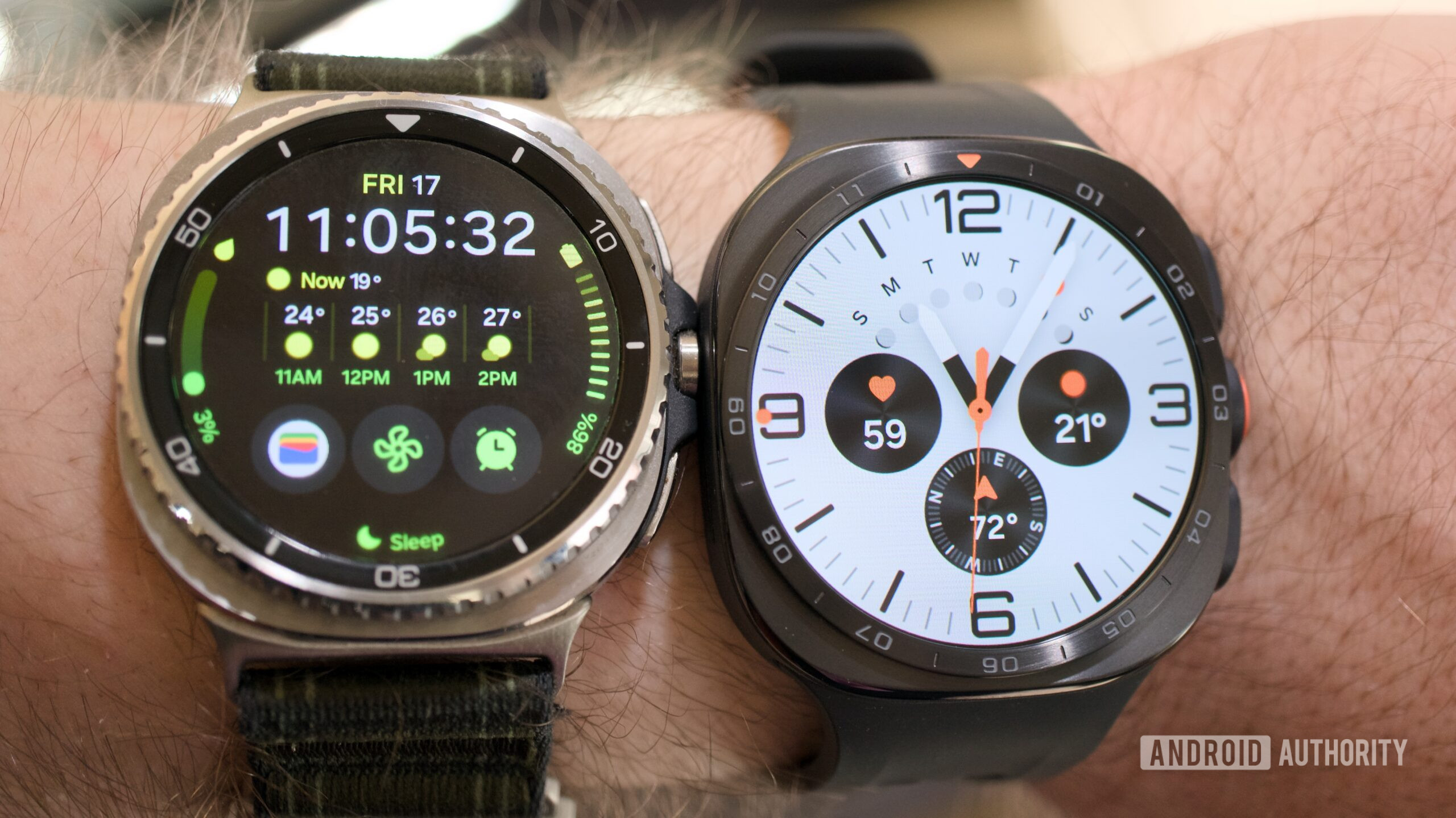
Samsung's Galaxy Watch Ultra 2 packs an 800mAh battery—35 percent larger than the previous 590mAh cell—but the new Snapdragon Wear Elite processor appears to have consumed most of those gains. Official battery estimates still claim "up to 60 hours with Always-On," the same as last year's model, despite the significant capacity bump (via Android Authority).
Gaming hardware and VR
AMD FSR 4 AI upscaling arrives for Radeon this month
AMD's fourth generation upscaler rolls out to RX 9000 series cards this July, with older 7000-series support coming soon.
AMD's FSR 4, the company's AI-enhanced upscaling and frame generation tech, is now available on Radeon RX 9000-series graphics cards, arriving in July 2026. A compatibility patch for older RX 7000-series cards is in the works, letting a wider base of AMD GPU owners tap AI-assisted performance without upgrading (via Tom's Hardware).