Samsung's Z Fold 8 narrows the crease, Apple launches monthly device leasing
Plus: Apple Pay suffers a nine-hour outage, Xbox Series X jumps $150, and Nothing bets its future on AI wearables.
TL;DR
- Samsung Galaxy Z Fold 8 reviews praise the smallest crease and best battery yet, though the $1,900 price tag remains steep.
- Apple launches a Klarna-powered device-leasing program for iPhone, iPad, Mac, and Apple Watch, replacing the iPhone Upgrade Program.
- Xbox Series X rises $150 to $799.99 on August 1, driven by memory component costs tied to AI data centre buildouts.
- Nothing shifts to AI-native wearables and audio; Google's Pixel 11 launches August 12 with a Tensor G6 chip and new Pixel Glow feature.
Phones and mobile
Samsung's foldable phone arrives with a nearly invisible crease
The Z Fold 8 delivers the smallest crease reviewers have seen, a silicon-carbon battery good for two full days, and a $1,900 starting price.

Samsung's Galaxy Z Fold 8 is winning over reviewers who say the company has finally nailed the core complaint about foldable phones: the crease. The inner AMOLED screen is now so smooth that reviewers say they forget they're swiping across a fold, and the display delivers rich color and a smooth 120Hz refresh rate (via The Irish Times). Battery life has also jumped thanks to a silicon-carbon battery upgraded from 4,400mAh to 5,000mAh—enough for two days of heavy use. The only real drawback is the lack of an optical telephoto lens, leaving users stuck with digital zoom, and the $1,900 price tag is a steep ask for a smartphone in 2026, though it undercuts the $2,000 Z Fold 7.
Google Pixel 11 lands August 12 with Tensor G6. Google confirmed the Made by Google event for August 12 at 3 p.m. PT, when it will unveil the Pixel 11, Pixel 11 Pro, Pixel 11 Pro XL, and Pixel 11 Pro Fold, all built around a 2-nanometre Tensor G6 chip—a more powerful processor fabricated on the smallest commercial process yet (via Digital Trends). Pricing starts at $899 for the base Pixel 11, and pre-orders open the same day as the keynote, with phones shipping August 20. Google is introducing a new Pixel Glow notification lighting system that lets the phone pulse with color during alerts.
Computing and laptops
Lenovo shows its first Googlebooks with a mysterious light strip
Lenovo's inaugural Googlebook lineup includes two laptop sizes and a 2-in-1 tablet, all with a new light-bar feature Google is calling Glowbar.
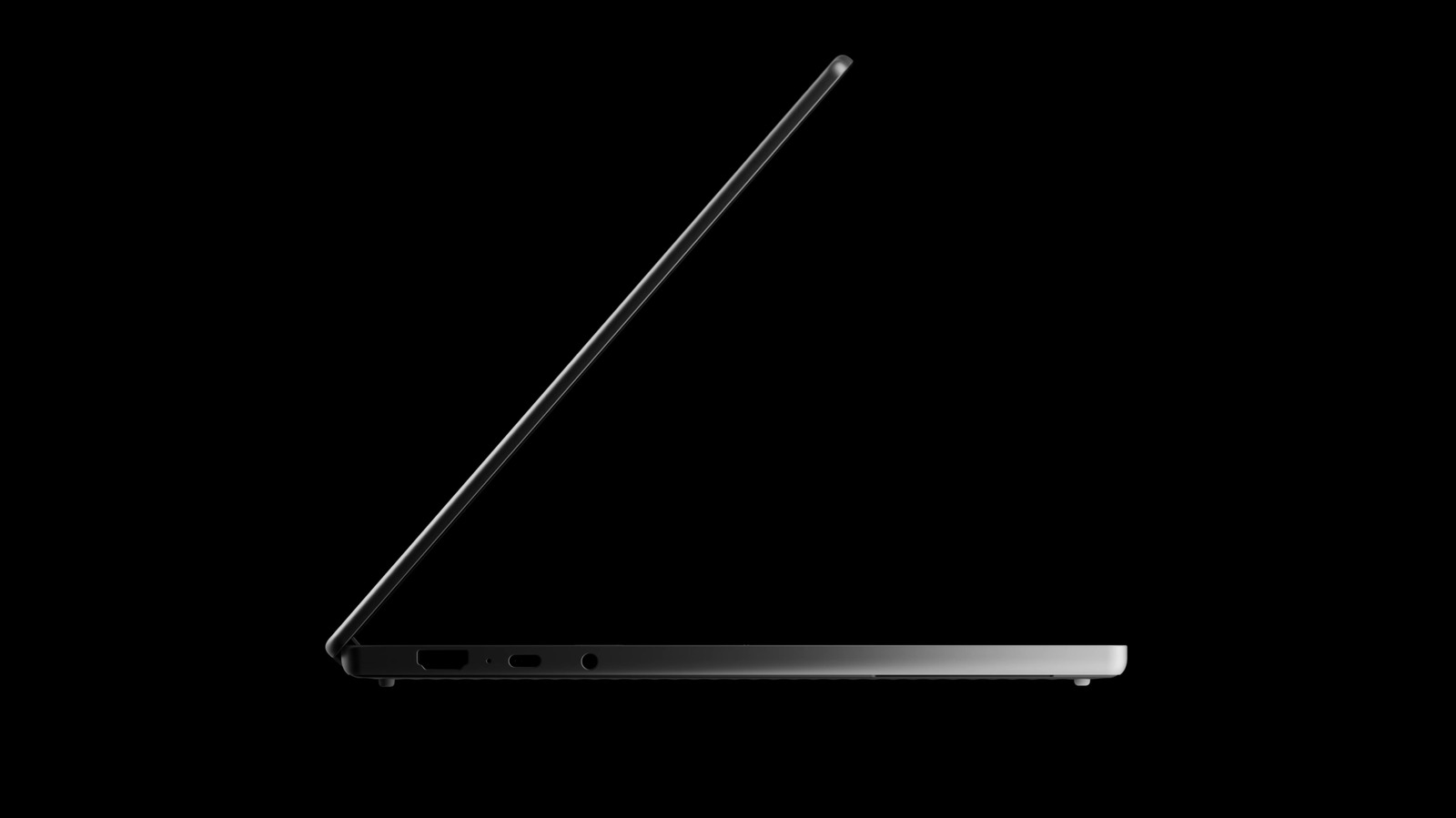
Lenovo's first Googlebooks have leaked via leaked product images, confirming the hardware partner's early take on Google's new Android-based computing platform. The lineup includes two Googlebook laptops, a 14-inch and a 16-inch model styled after Lenovo's Chromebook Plus, plus a 2-in-1 tablet with a kickstand and keyboard—all in stark white with a light strip across the front called Glowbar that appears to be Google's hardware differentiator for these machines (via Engadget). The Glowbar is designed to provide visual feedback and notifications. A final release date has not been announced, but the devices are expected to arrive later this year.
Apple
Apple launches monthly device leasing; Pay outage disrupts millions
Apple Upgrade lets you lease an iPhone for $18 a month, while a nine-hour outage left Apple Cash and Wallet users unable to pay or send money.

Apple Upgrade, a new device-leasing program built in partnership with Klarna, is now live in the United States for iPhone, iPad, Mac, and Apple Watch. Monthly lease payments start at $17.99 for iPhone, $11.99 for Apple Watch, $24.99 for Mac, and $11.99 for iPad, with one- and two-year lease terms for phones and watches and two- and three-year terms for tablets and laptops (via Apple Newsroom). The program replaces Apple's iPhone Upgrade and iPhone Payments offerings, letting customers upgrade to the latest model at lease end, purchase their current device, or return it. Some entry-level devices including the Apple Watch SE, iPhone 16, and MacBook Neo are not eligible.
Apple Pay outage blocks transactions for nine hours. Apple Pay suffered its longest outage in recent months on July 31, starting at 3:30 PM EST and lasting until around 1:00 AM ET on August 1. Users across the United States were unable to complete transactions or send Apple Cash to other people, with many seeing error messages like "Unable to connect to wallet services" (via tech.sportskeeda). According to Downdetector data, 57 percent of complaints involved fund transfers, 25 percent involved payments, and 13 percent involved the app itself. Apple has not yet provided a full explanation for the disruption, though the company acknowledged the issue affecting Apple Cash.
Android and Google
Meta introduces face-scan verification for Facebook profiles
A new Facebook Verified badge confirms you're human via a selfie, part of Meta's push to root out bots and fake accounts.
Meta has rolled out Facebook Verified, a new tool that lets Facebook users confirm their identity by submitting a face scan using a selfie. Users who pass verification receive a badge showing they are human, with no subscription fee required (via Tech Startups). The move aims to surface verified accounts more prominently in feeds and search while combating bot networks and impersonation. Meta says the system does not store facial templates after verification and uses on-device processing to protect privacy, though the company has not yet disclosed how it plans to prevent circumvention via AI-generated faces or replay attacks.
AI and software
Nothing pivots to AI wearables; Amazon ploughs $220B into infrastructure
Nothing is shelving its smartphone ambitions to focus on AI-native smartwatches and audio, while Amazon doubles down on AI data centres.

Nothing is charting an AI-first future, shifting resources away from smartphones toward wearables and audio devices designed from the ground up for AI, according to leaked product roadmaps published on July 31. The company plans to launch the Nothing Smartwatch, CMF Ear Clip Buds, Nothing Headphones Gen 2, and CMF Speakers later this year, all retaining Nothing's signature transparent design and lighting effects (via 9to5Google). Co-founder Carl Pei is backing the shift as smartphone hardware margins tighten globally; the first products are expected to roll out as early as September, ramping up before Apple's iPhone 18 Pro launch.
Amazon commits another $220 billion to AI infrastructure. Amazon announced it is pouring an additional $220 billion into AI infrastructure, part of a broader industry buildout to support training and inference workloads (via Tech Startups). The investment underscores how aggressively cloud providers and AI companies are competing for compute capacity and data centre resources. The spending push is a major driver behind the memory shortage that has been pushing component costs up across consumer electronics since mid-2026.
Gaming hardware and VR
Xbox Series X hits $799.99 as memory costs soar
Microsoft's price increase reflects the global memory shortage driven by AI data centre demand and component inflation.
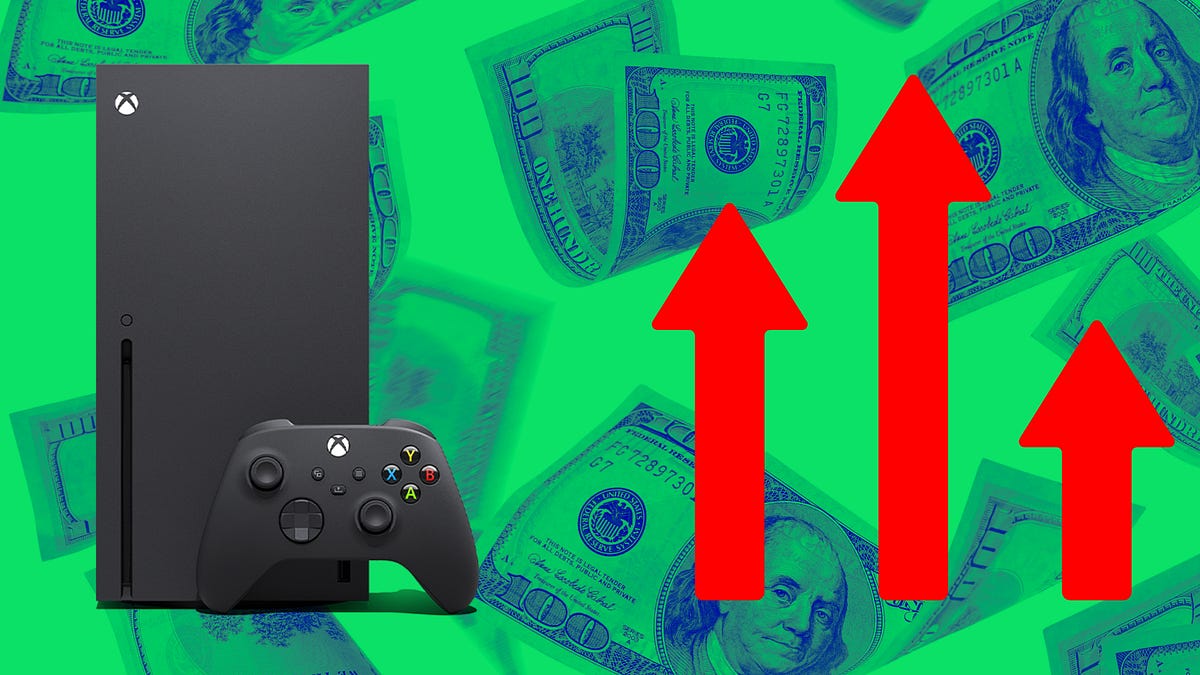
Xbox Series X is rising $150 to $799.99 effective August 1, 2026, while the Xbox Series S jumps $100 to $499.99, driven by memory and storage component price increases tied to AI data centre buildouts (via The Shortcut). Microsoft said storage and memory prices have increased by more than 2.5 times, a ripple effect from explosive demand for AI infrastructure consuming chip supplies. The company is offering "Buy Now, Pay Later" and interest-free financing programs to soften the impact on buyers. Microsoft's 2TB Galaxy Black Special Edition has been discontinued, leaving the standard 1TB model as the entry point.