Regulators crack down on Iran sanctions evasion via crypto
Plus: Tether's profit slips as reserves shrink, Circle wins New York trust charter, and a bitcoin wallet flaw threatens $38 million in self-custodied funds.
TL;DR
- US Treasury sanctioned Iranian maritime insurance schemes accepting bitcoin, blocking a $4 billion evasion network designed to fund the Islamic Revolutionary Guard Corps.
- Tether posted $1.5 billion Q2 profit as reserves fell by $4 billion; Circle secured a New York trust charter as regulators tighten the regulatory perimeter.
- A Coldcard wallet flaw enabled $38 million in bitcoin theft, intensifying debate over whether ordinary users should self-custody private keys or rely on custodians.
Markets and majors
Tether reserves weaken despite strong Q2 profit
The largest stablecoin reported $1.5 billion operating profit but its cushion against redemptions shrank, signaling asset quality pressures.

Tether, the world's largest stablecoin (a cryptocurrency pegged to the dollar), reported $1.5 billion in operating profit for Q2 2026, but its excess reserve buffer fell by approximately $4 billion as reserve holdings declined in value. The shrinking cushion against potential redemptions marks a structural weakness in the stablecoin's backing despite strong profitability. (via CoinDesk)
Coinbase misses on earnings but holds market share. The crypto exchange reported Q2 revenue of $1.22 billion, below consensus expectations, amid weak trading volumes, though it captured a record 10.3 percent of global crypto trading volume and grew Coinbase One subscriptions to over one million paid users. (via CoinDesk)
Protocols and upgrades
Uniswap launches yield product to capture idle assets
The exchange partnered with Morpho to let users deposit crypto into curated lending vaults instead of moving to competitors.
Uniswap announced Earn, a new yield product developed with Morpho Finance allowing users to deposit idle cryptocurrency into Gauntlet-curated lending vaults and earn returns, expanding the exchange's offerings beyond spot trading and swaps into the higher-margin business of directing capital to lending protocols. (via The Block)
Regulation and policy
US seizes Iranian crypto sanctions schemes; Circle wins New York charter
Regulators tightened enforcement on sanctions evasion while clearing stablecoin issuers to hold customer reserves directly.

Circle, the issuer of the USDC stablecoin, won approval from New York banking regulators to establish a limited-purpose trust charter, clearing the way to hold customer reserves directly and expanding its financial services arsenal after recent federal authorization to operate as a national trust bank. (via CoinDesk)
US sanctions Iran maritime insurance fraud. The U.S. Treasury Department designated two Iranian maritime insurance firms as sanctions evaders, alleging they operated a scheme accepting bitcoin to fund the Islamic Revolutionary Guard Corps, characterizing policies purportedly covering vessel seizure risks as extortion designed to funnel proceeds to Iran's military. (via CoinDesk)
Dubai exchange linked to $4 billion Iran evasion network. A Dubai-based unlicensed crypto exchange called Shelbit allegedly facilitated a $4 billion Iranian sanctions-evasion scheme, moving hundreds of millions through platforms including Binance to connect illegal gambling networks, Iran's central bank, and other sanctioned entities to global crypto markets, Reuters reported. (via CoinDesk)
New York sues Kalshi prediction market. New York's attorney general filed suit against prediction market platform Kalshi, alleging it operates as an unlicensed gambling platform in violation of state law despite claiming to offer federally-regulated derivatives contracts. (via CoinDesk)
Institutions and ETFs
Analysts back Saylor's shift from Bitcoin maximalism to capital raising
Strategy's strategic pivot toward stock offerings over bitcoin liquidation drew buy ratings despite a $8.2 billion quarterly loss.
Wall Street analysts reiterated buy ratings on Strategy (Michael Saylor's bitcoin company) following its decision to raise capital through stock offerings rather than relying on bitcoin liquidation, though the company posted an $8.2 billion Q2 loss as bitcoin prices remain below prior acquisition costs and the firm's USD Reserve (cash buffer) shrank. (via The Block)
Security and exploits
Coldcard wallet flaw drains $38 million, reignites self-custody debate
A firmware vulnerability in the popular hardware wallet exposed the risks of independent key management for ordinary users.
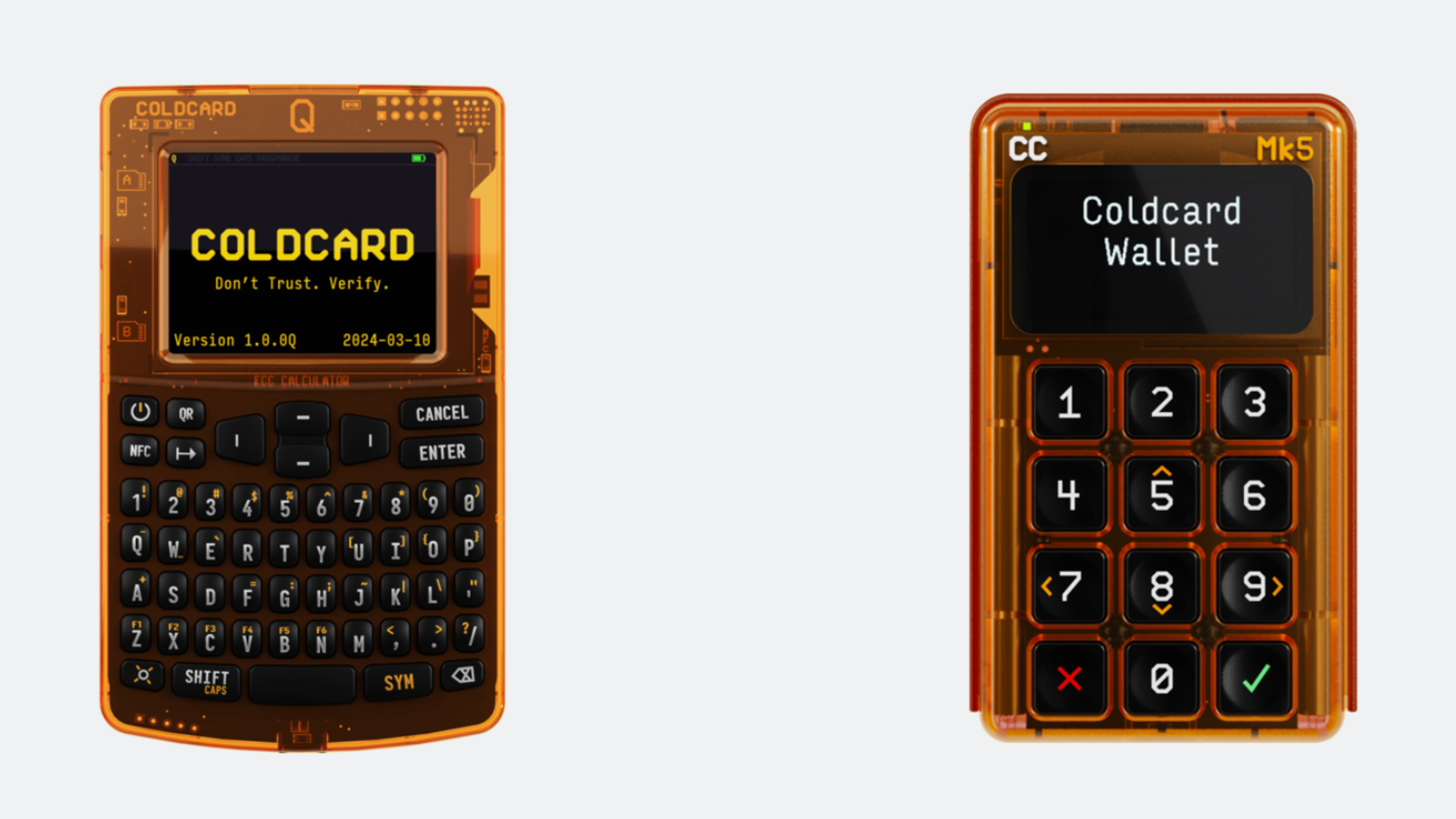
A firmware flaw in Coinkite's Coldcard hardware wallet enabled attackers to reconstruct wallet seed phrases and steal approximately 600 bitcoin worth $38 million, reigniting industry debate about whether ordinary users should self-custody private keys or rely on regulated custodians and spot Bitcoin ETFs. The vulnerability generated wallet seeds with insufficient randomness, making them vulnerable to brute-force attacks, though firmware updates protect new seeds. (via CoinDesk)