Trump weighs harsh campaign against Iran's power plants and refineries
Plus: Iran warns of full-scale regional war, oil prices hold near $90 a barrel, and Trump threatens Iran for Houthi Red Sea attacks.
TL;DR
- Trump and Israel planning strikes on Iranian power plants and refineries this weekend, officials call it "one of the harshest campaigns to date."
- Iran's military chief warns U.S. is fanning full-scale regional war; nations supporting America risk being "burned in the fire of war."
- Brent crude at $90.12 on July 31, up 20 percent for month as Strait of Hormuz shipping risks deepen.
- Iranian Kurdish opposition groups in Iraq report heavy casualties from strikes; leaders deny receiving U.S. military support.
Military operations
Trump considers extensive strikes on Iranian power grid
U.S. and Israeli planners are weighing a two-week bombing campaign against energy infrastructure that officials say could disable electricity across Iran's major cities.
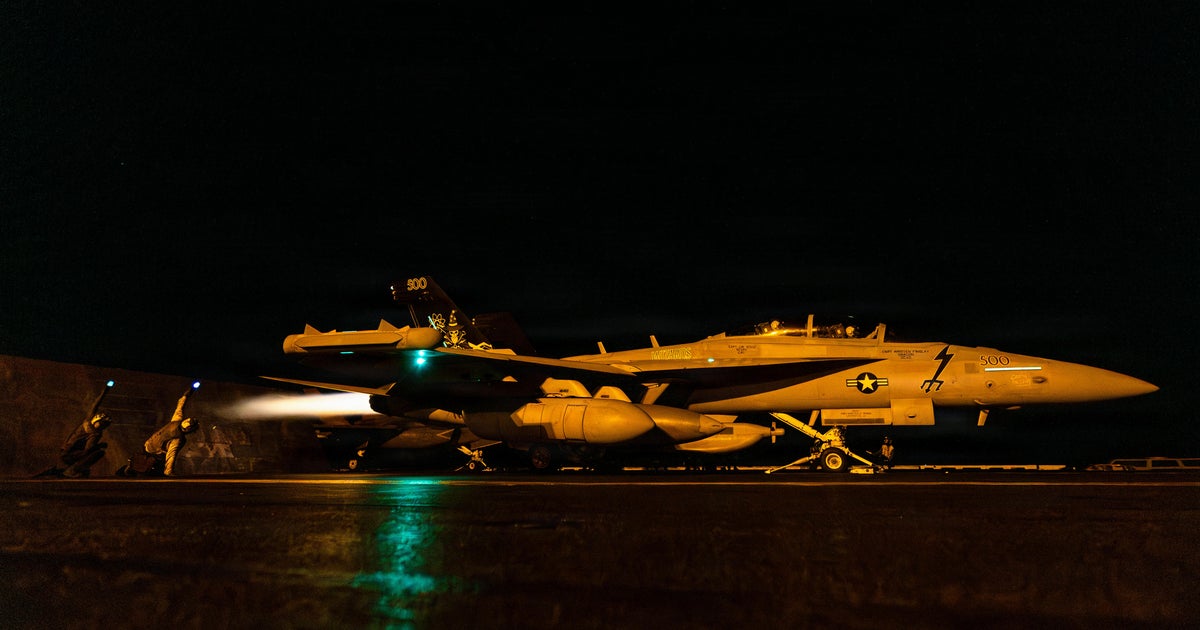
Trump and Israeli Defense Minister Israel Katz are weighing strikes on Iranian power plants and refineries that could start this weekend and last two weeks, U.S. officials said. Targets include electrical infrastructure and petrochemical facilities designed to disable Tehran's grid. Trump told reporters, "We'll be hitting them very hard," while Israeli officials coordinated with Washington, though Trump had not issued final approval (via CBS News).
Iran warns of full-scale war. Major General Ali Abdollahi said the U.S. is "fanning the flames of a full-scale regional war." He cautioned Muslim nations that supporting America risks being "burned in the fire of war" and warned Tehran has prepared retaliatory strategies if strikes hit Iranian energy sites (via Al Jazeera).
White House signals dual tracks. Press Secretary Karoline Leavitt said the Trump administration remains open to diplomatic talks while warning Iran "will not have a nuclear weapon under his watch." The White House told reporters it is "locked and loaded" and ready to execute at the president's direction (via CBS News).
Diplomacy and ceasefire talks
Diplomatic track continues amid military escalation
The White House signals continued pursuit of talks with Iran even as it prepares harsh strikes, maintaining an open-ended diplomatic channel alongside military readiness.
The Trump administration said it continues pursuing a diplomatic path despite military preparations, with Press Secretary Karoline Leavitt telling reporters the U.S. remains open to talks. Trump said in late July he sees a "good chance" of a deal, though warned against prolonged negotiations. The White House said it is "locked and loaded" to act at the president's direction (via CBS News).
Iran denies active talks. Iran's government continues denying negotiations with the U.S., despite diplomatic channels remaining open through intermediaries. Iranian officials warned that American military action on energy sites would destroy any settlement prospect and vowed to respond to strikes on Iranian territory (via Al Jazeera).
Energy and shipping
Oil prices close month at $90 on war premium
Brent crude gained more than 20 percent in July as renewed U.S.-Iran strikes and threats to energy infrastructure drove concerns over Middle East supply disruptions.

Brent crude closed at $90.12 on July 31, capping a 20 percent monthly gain—the strongest performance since March. Prices surged above $100 in mid-July but settled back as markets weighed the ceasefire pause; renewed fighting pushed prices back toward $90, driven by fears of Strait of Hormuz disruptions and threats to Iranian energy facilities (via CNBC).
Maritime coalition formed amid shipping risks. Saudi Arabia announced a 14-member Multinational Maritime Defense Alliance on July 30, including Kuwait, Bahrain, Qatar, Egypt, Jordan, and Pakistan, to protect Strait of Hormuz and Gulf of Aden shipping. Tanker traffic remains volatile, with Iran claiming to have forced vessels to alter course, though the new coalition has not yet demonstrated operational capability (via CNBC).
Regional spillover
Kurdish groups in Iraq brace for intensifying Iranian attacks
Iranian opposition parties operating in Iraqi Kurdistan face mounting casualties as Iranian drone and missile strikes widen the conflict across the border, while denying U.S. military support.

Iranian Kurdish opposition groups in northern Iraq have faced heavy casualties from Iranian drone and missile strikes since the U.S.-Israel campaign began in February 2026. Despite suggestions from U.S. and Israeli officials, party leaders deny receiving military aid, saying "We have not received any military assistance from the United States, nor from European or Arab countries, despite the demands to get such support" (via Al Jazeera).
Regional pressures limit operations. The Kurdish Regional Government has constrained opposition activities to prevent destabilization, forcing party leaders to prioritize local security over expanded military action against Iran. The groups remain caught between Tehran's military pressure and international involvement in the broader conflict (via Al Jazeera).